
Discipline, Behaviour & School Climate: Questions for 2025
Written by
BestSchools Team
Last updated
20 November 2025
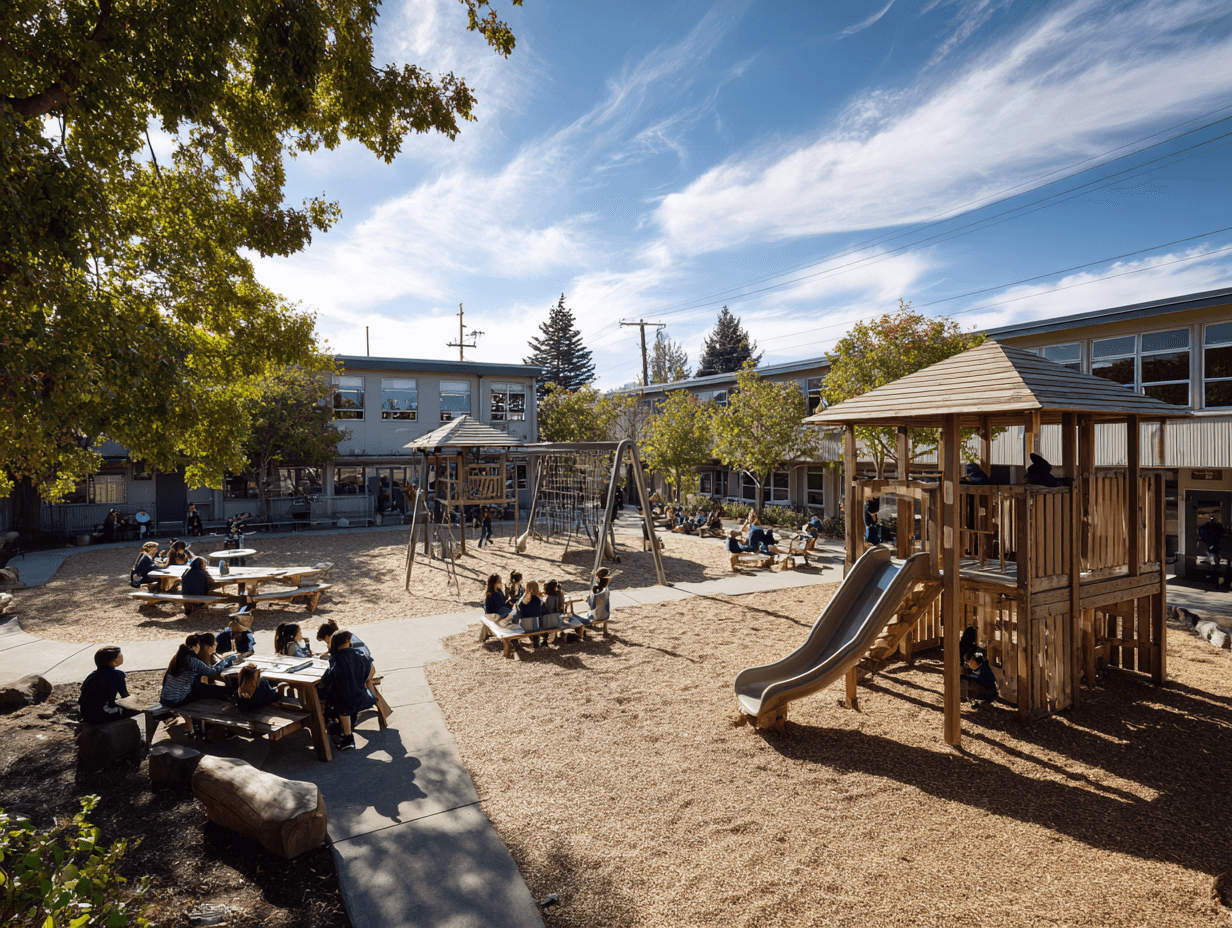
A school’s behaviour framework determines whether students feel safe, respected, and ready to learn. Use this guide alongside Student Wellbeing and Safety: A Parent Evidence Guide, Wellbeing programmes: what good looks like, and Pastoral care and student support so discipline, SEL, and specialist services form one coherent safety net.
Step 1: Decode the Behaviour Philosophy
Ask leaders to explain their behavioural stance in plain language and back it with evidence. Probe for references to trauma-informed practice, Positive Behaviour for Learning (PBL), restorative justice, and First Nations perspectives. Cross-check the narrative with policy wording: if prospectuses promise “restorative care” but sanctions dominate the handbook, expect inconsistency.
Checklist for Families
Step 2: Audit Data and Tiered Responses
Behaviour dashboards should drive decisions. Ask to see anonymised data for the past 12 months—minor and major incidents, locations, year levels, time of day, and student groups. Then verify the response ladder:
Tiered response checkpoints
| Tier | Support examples | Questions to ask |
|---|---|---|
| Universal | Expectation matrices, planned lessons, celebration systems | How often do you reteach expectations and share data with staff? |
| Targeted | Check-in/check-out, small-group SEL, mentoring | Who runs these groups and how many students can you support at once? |
| Intensive | Behaviour support plans, wraparound teams, sensory spaces | What data triggers an ILP/BSP review? |
| Restorative | Facilitated conferences, structured re-entry meetings | How do families join re-entry meetings and receive documentation? |
If leaders can’t show meeting notes or schedules, assume data reviews are irregular.
Step 3: Inspect Consequence Pathways and Equity
Accountability must be transparent and proportionate. During interviews:
- Request suspension and exclusion rates for the last three years, broken down by year level, gender, Aboriginal and Torres Strait Islander status, disability, and other relevant cohorts.
- Ask what alternatives to suspension exist (restorative conferences, reflection rooms, in-school support centres) and who facilitates them.
- Check how behaviour plans are adjusted for students with disability or trauma histories—reasonable adjustments should be explicit.
- Understand appeals and complaints processes so families know how to escalate concerns.
Document whether leaders volunteer data proactively or only when pressed.
Step 4: Observe Climate During Tours
Behaviour frameworks should be visible everywhere. While onsite:
Positive visibility
- Staff actively connecting with students during breaks instead of policing from a distance.
- Classrooms displaying co-created agreements and wellbeing language.
- Calm corners, regulation stations, or sensory rooms in regular use.
Student voice
- Student-led councils or climate committees that analyse data and influence policy.
- Leadership opportunities tied to behaviour goals (peer mediators, wellbeing captains).
- Candid student feedback when asked privately about fairness and safety.
Note contradictions between what you’re told and what you see. Feed these observations into the comparison tracker you built for other wellbeing checks.
Step 5: Validate Crisis Protocols and After-Hours Support
Scenario-based questions reveal readiness:
- Who forms the critical incident team and how often are drills run?
- What are the immediate steps when a student discloses self-harm, violence, or an online safety threat?
- How do you notify and support impacted peers/siblings, and which agencies join debriefs?
- Which after-hours channels (email monitored inbox, hotline, external helplines) should families use?
Compare responses with the escalation pathways in Pastoral care and student support to ensure behaviour and wellbeing teams work together, not in silos.
Organise your climate priorities
Build your school-fit profile
Answer 25 questions in about five minutes for a school-fit profile, financial sustainability and priority analysis, tailored evaluation questions and a next-step roadmap. Use the behaviour evidence above to verify school practice directly.
About 5 minutes • Personalised report • No named-school shortlist
When behaviour systems focus on teaching, repairing, and reconnecting, school climate stays calm even during tough weeks. Keep using Student Wellbeing and Safety: A Parent Evidence Guide to benchmark campuses, then use the School Choice Assessment to organise fit, financial and evaluation priorities. It does not verify school climate or produce a named-school shortlist.
Where to go next
Turn this research into a clearer shortlist
Three practical ways to move from reading to action.
- Start the assessment
Take the School Choice Assessment
Get a personalised report based on your budget, commute, sector and learning priorities.
- Open schools map
Browse schools near you
Compare nearby schools by location, sector, type and fees.
- Browse open days
Find upcoming open days
See live school events and tours so you can move from research to real visits.