
How to Choose a School: A Comprehensive Guide for Australian Parents
Written by
BestSchools Team
Last updated
11 December 2025
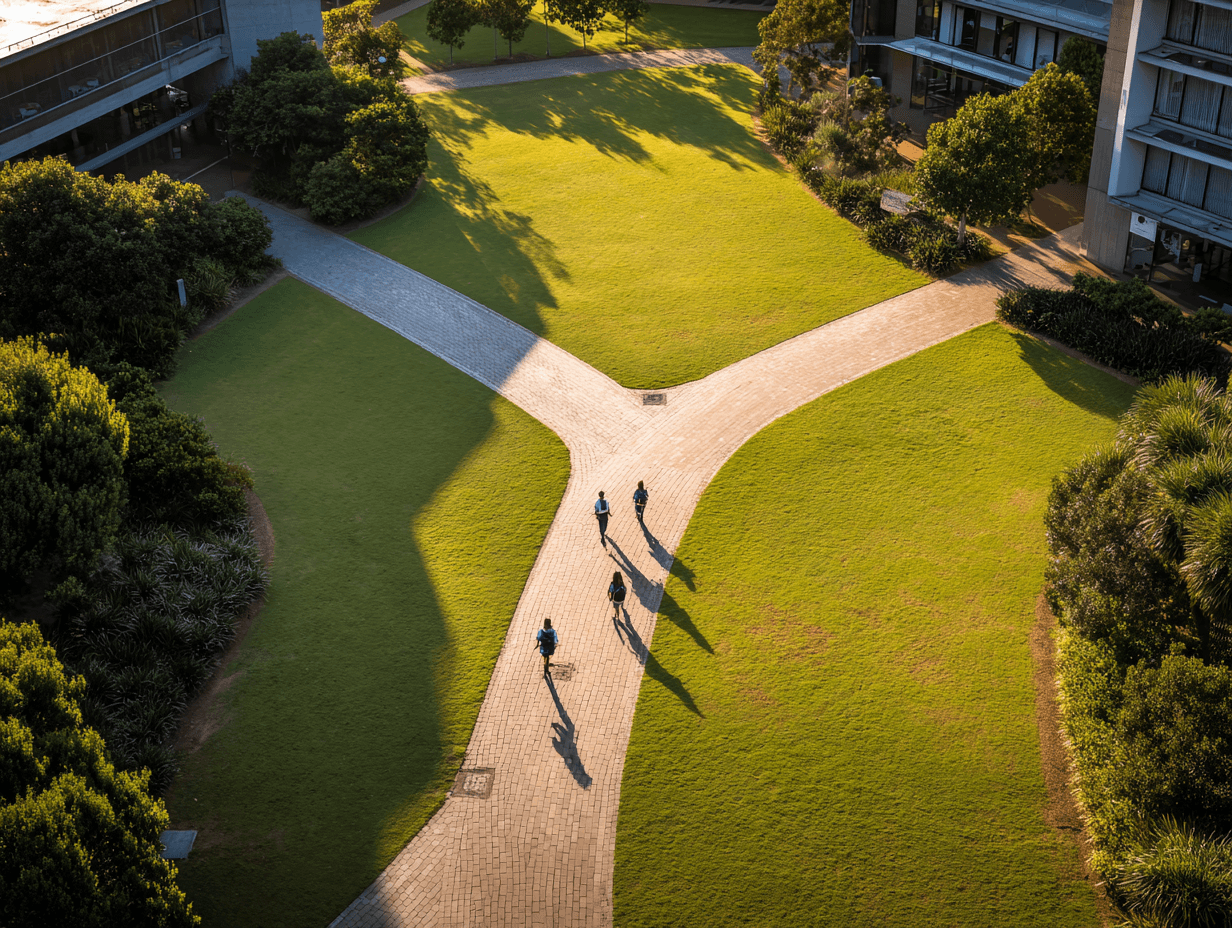
Your child's education forms the foundation of their future success and personal development. In today's rapidly evolving world, the choice of school plays a pivotal role in shaping not just academic outcomes, but also social skills, values, and lifelong learning habits. Let's explore why this decision deserves careful consideration and how you can navigate this important journey.
Take our School Choice Assessment to receive personalised recommendations based on your family's unique needs and preferences.
Understanding Your School Options
Navigating the Australian education landscape can seem daunting at first, with its diverse range of schooling alternatives. Each option presents unique advantages and considerations that could significantly impact your child's educational journey. Here's a comprehensive overview to help you understand the distinct characteristics of each school type.
The Australian education system offers three main schooling options, each with its own distinct characteristics and advantages. Government schools are publicly funded and secular, providing free education to all students. Catholic schools are part of the Catholic education system, combining religious values with academic excellence at moderate fees. Independent schools are privately run institutions that often offer specialised programmes and unique educational philosophies, typically charging higher fees for premium facilities and smaller class sizes.
Explore all schools in our directory →
Government Schools
The backbone of Australian education, government schools educate 64.0% of all students, opens in a new tab. They offer:
- No tuition fees (voluntary contributions may apply)
- Australian Curriculum alignment
- Strong community connections
- Zoned enrolment boundaries
- Diverse student population
Government schools, also known as public schools or state schools in some countries, are:
- Funded and operated by state/territory governments
- Required to accept all students within their catchment area
- Secular in nature, though may offer optional religious education
- Staffed by government-employed teachers with standardised qualifications
- Particularly strong in multicultural education and local community integration
Find Government Schools near you →
Catholic Schools
Representing 19.7% of all student enrolments, opens in a new tab, Catholic schools combine academic excellence with religious values:
- Moderate fee structure
- Strong emphasis on values and tradition
- Comprehensive religious education
- Well-resourced facilities
- Community-focused environment
Catholic schools in Australia:
- Are part of the largest non-government school sector
- Typically charge moderate fees ($2,000-$10,000 per year)
- Welcome students from all religious backgrounds
- Follow the Australian Curriculum while incorporating Catholic teachings
- Often have strong connections with local parishes
- Emphasise both academic achievement and spiritual development
Find Catholic Schools near you →
Independent Schools
Making up 16.3% of total student enrolments, opens in a new tab, independent schools offer specialised programmes and unique approaches:
- Diverse educational philosophies
- Smaller class sizes
- Specialised programmes (IB, STEM, Arts)
- Extensive facilities and resources
- Greater curriculum flexibility
Independent schools encompass:
- Traditional private schools with long histories
- Modern alternative education providers
- Schools affiliated with other religions (Islamic, Jewish, Christian)
- International schools offering foreign curricula (IB, Cambridge, American)
- Specialist schools focusing on specific approaches (Montessori, Steiner)
- Schools catering to specific needs (performing arts, sports excellence)
Some key distinctions of independent schools include:
- Governance by independent boards
- Higher teacher-to-student ratios (typically 1:15)
- Annual fees ranging from $15,000 to $40,000+
- Specialised facilities (performing arts centres, sports complexes)
- International exchange programmes
- Leadership development focus
Find Independent Schools near you →
Need a clearer shortlist?
Match schools to your family in minutes
Answer a few tailored questions and our School Choice Assessment recommends schools that fit your goals, budget and location.
Free in under 5 minutes • Personalised shortlist • No spam
Key Factors in School Selection
Whilst academic excellence is crucial, selecting the right school involves weighing numerous factors that contribute to a well-rounded education. From teaching quality to financial considerations, each element plays a vital role in creating an optimal learning environment for your child. Let's examine these key factors to help you make an informed decision.
Academic Considerations
- Curriculum options and teaching approaches
- Class sizes and student-teacher ratios
- Academic support programmes
- Special education provisions
- Extension and enrichment opportunities
Use our school directory to compare academic programmes and teacher-student ratios across schools in your area.
Teaching Quality and Professional Development
When evaluating schools, consider:
- Teacher qualifications and experience
- Ongoing professional development programmes
- Teaching philosophy and methods
- Staff retention rates
- Leadership stability and vision
- Integration of contemporary teaching practices
Special Programmes and Opportunities
Look for schools offering:
- Gifted and talented programmes
- Learning support services
- Language immersion options
- STEM initiatives
- Arts and music programmes
- Sports excellence pathways
- International partnerships
Location and Accessibility
- Distance from home
- Transport options
- Before/after school care
- Catchment zones
- Future family plans
Financial Planning
Understanding the full financial commitment is crucial:
Immediate Costs
- Enrolment and application fees
- Annual tuition fees
- Building fund contributions
- Technology levies
- Uniform requirements (summer, winter, sports)
- Textbooks and educational materials
Ongoing Expenses
- Excursions and camps
- Extracurricular activities
- Music lessons and instrument hire
- Sports uniforms and equipment
- Transport costs
- Private tutoring if needed
Financial Considerations
- Payment frequency options (annual, term, monthly)
- Sibling discounts
- Early payment benefits
- Hardship provisions
- Scholarship and bursary opportunities
- Tax implications for private education
School Culture and Values
- Educational philosophy
- Discipline approach
- Parent involvement opportunities
- Community engagement
- Extracurricular activities
Preparing for School Success
The transition to school is a significant milestone in both a child's and family's life. Proper preparation can make this journey smoother and more rewarding for everyone involved. This section outlines essential steps to ensure your child starts their educational journey with confidence and enthusiasm.
Assessing School Readiness
Before making your final decision, ensure your child is ready for their educational journey:
-
Social and Emotional Skills:
- Ability to separate from parents
- Basic self-regulation
- Communication with peers and adults
- Following instructions
-
Physical and Practical Skills:
- Self-care abilities
- Fine motor skills
- Physical stamina
- Basic organisational skills
Use our School Readiness Assessment Tool to evaluate your child's school preparedness.
Setting Up for Success
Once you've chosen a school, establish strong foundations:
- Create Routines:
- Consistent morning schedule
- Homework and study habits
- Sleep patterns
- Family communication time
Download our free School Routine Checklist to help establish effective routines.
Planning Ahead
Maintain educational momentum throughout the year:
- Structure holiday periods effectively
- Plan for transitions between school years
- Set regular review points for progress
Access our School Holiday Calendars to plan the academic year effectively.
Modern Education Features to Consider
Today's educational landscape is rapidly evolving, with technology and innovative teaching methods reshaping how students learn. Understanding these modern features is crucial for parents seeking schools that will prepare their children for the challenges and opportunities of tomorrow. Let's explore the key aspects of contemporary education that warrant your attention.
Technology Integration
Modern schools should demonstrate:
Digital Infrastructure
- High-speed internet and wireless coverage
- 1:1 device programmes or BYOD policies
- Interactive whiteboards/displays
- Specialised computer laboratories
- Digital resource centres
Educational Technology
- Learning management systems
- Online assessment tools
- Digital portfolios
- Virtual reality/augmented reality integration
- Coding and robotics programmes
Digital Citizenship
- Online safety curriculum
- Responsible technology use policies
- Digital literacy programmes
- Cyberbullying prevention
- Parent education workshops
As noted by the Department of Education, opens in a new tab, technology integration is becoming increasingly crucial in modern education.
Future-Ready Skills
Seek schools that develop:
- Critical thinking abilities
- Problem-solving skills
- Collaboration capabilities
- Creative expression
- Environmental awareness
The Australian Government, opens in a new tab emphasises these skills as essential for future success.
Making Your Decision
After gathering all the necessary information, it's time to make your final decision. This crucial step requires careful consideration of all factors while keeping your child's best interests at heart. Here's a structured approach to help you evaluate your options and make a confident choice that aligns with your family's needs and values.
Where to go next
Turn this research into a clearer shortlist
Three practical ways to move from reading to action.
- Start the assessment
Take the School Choice Assessment
Get a personalised report based on your budget, commute, sector and learning priorities.
- Compare schools
Compare shortlisted schools
Put up to three schools side by side so trade-offs are easier to spot.
- Open schools map
Browse schools near you
Compare nearby schools by location, sector, type and fees.