
School Zones and Catchment Areas in Australia: State-by-State Guide
Written by
BestSchools Team
Last updated
24 July 2026
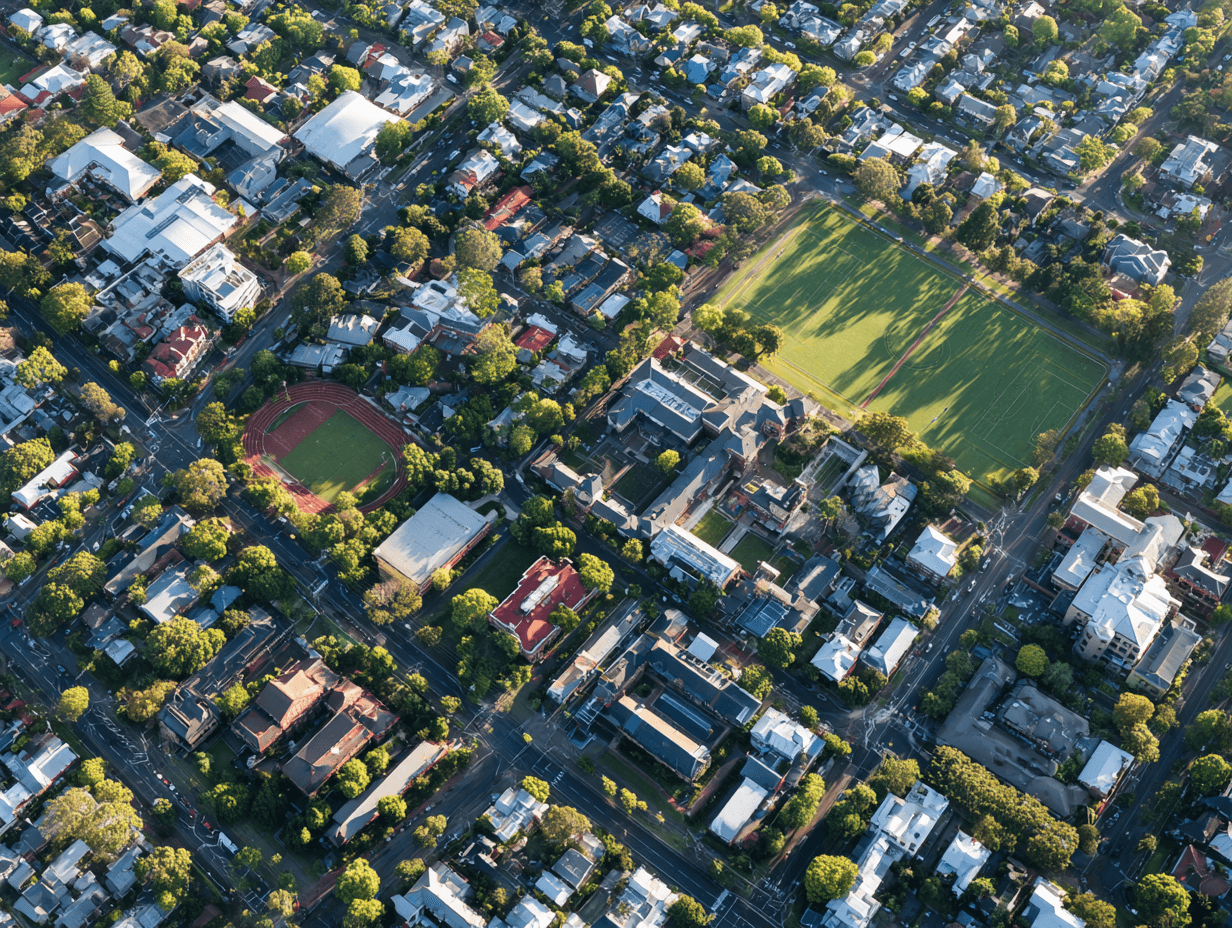
School zones can shape which government schools are available to a family, but Australia does not have one national catchment system. Each state and territory uses its own terms, maps, capacity rules and enrolment process.
This guide is about government or public school intake areas. Catholic and independent schools set their own enrolment priorities. They may consider location, but an official government-school zone does not determine admission to those schools.
School zones at a glance
- Use the official source. A state or territory finder, the education department and the school are the authorities for a specific address and enrolment year.
- Check the year. Boundaries, school year levels, capacity arrangements and priority settings can change.
- Treat discovery and eligibility as different jobs. BestSchools helps families find and compare schools; it does not display or confirm official school-zone boundaries.
- Do not assume the rules travel with you. Evidence requirements, sibling considerations, non-local criteria and review options differ across Australia.
If you are planning the full application process, start with the Australian school enrolment guide and the school enrolment timeline.
What does “local school” mean?
Depending on the jurisdiction, you may see terms such as school zone, catchment area, local enrolment area, local-intake area or Priority Enrolment Area. These terms all connect an address with government-school enrolment, but they are not interchangeable national rules.
The official map is a starting point, not a substitute for the current enrolment policy. Always check:
- the home address used by the department;
- the intended year of enrolment;
- whether the result is for primary, secondary or another school setting;
- whether a shared area, school capacity arrangement or specialist process applies; and
- what the school requires to establish the child's eligibility and address.
Property listings, community groups and third-party maps can be useful leads, but they are not enrolment authorities. Recheck any claim with the relevant department and school before relying on it for an application, move or property decision.
Official school-zone guidance by state and territory
Victoria
The Victorian Government calls the local government school a child's designated neighbourhood school. Its official school-zones guidance, opens in a new tab directs families to Find my School, where they can enter a permanent address, choose an enrolment year and select a school type. The page says eligible children have a right to attend their local school and that an application outside the zone depends on a place being available.
Victoria publishes current and following-year zones in Find my School and warns that a small number can change each year. Use the year selector and confirm the result with the school rather than relying on real-estate or other third-party advice.
New South Wales
NSW public schools use local enrolment areas. The NSW Government's primary-school catchment guide, opens in a new tab links to the official NSW Public School Finder and says a child living within a public primary school's area is guaranteed a place there. An application outside the area depends on places being available.
For non-local applications, read the current NSW enrolment procedures, opens in a new tab. They explain how capacity and published non-local criteria affect applications. Do not assume one school's criteria or available places will match another's.
Queensland
Queensland state schools may operate under a School Enrolment Management Plan. The Department of Education's enrolment management plan guidance, opens in a new tab links to EdMap for catchment boundaries and explains the address evidence used by schools with a plan.
For those schools, an eligible student whose principal place of residence is within the catchment is entitled to enrol, subject to the legislation. Out-of-catchment enrolment is restricted by spare capacity and projected growth, so check the named school's plan and current waiting-list process before applying.
South Australia
South Australia uses school zones for many metropolitan high schools and some primary schools. The department's placement in school guidance, opens in a new tab links to the official zone or catchment search and explains that children living inside a zone receive priority enrolment.
Shared zones and capacity management plans can affect which school offers a place. In an unzoned outer-metropolitan area, the local school may not be the nearest result shown online. Confirm the placement route with the department or school.
Western Australia
Many Western Australian public schools use local-intake areas. The Department of Education's public-school enrolment guide, opens in a new tab directs families to Schools Online to search an address and check whether it sits within a local-intake area.
The department says most Pre-primary to Year 12 children who live in a school's local-intake area can enrol at that school. Families can apply elsewhere, but the school may not have a place available. Kindergarten and some programs have distinct arrangements, so use the guidance for the relevant year level and setting.
Australian Capital Territory
ACT public schools use Priority Enrolment Areas (PEAs). The ACT Government's PEA finder and guidance, opens in a new tab says each ACT child from kindergarten to Year 12 is guaranteed a place at a public school within their PEA. In a shared zone, that may be one of several PEA schools rather than the family's preferred one.
Families can make an out-of-area application, but an offer is not guaranteed. Check the current ACT out-of-area guidance, opens in a new tab, including whether the school is listed as Category A or Category B and how applications are assessed.
Tasmania
Tasmania's official primary and district school intake-area map, opens in a new tab covers government primary schools from Kindergarten to Year 6 and district schools from Kindergarten to Year 12. The department says a child living within an intake area is guaranteed a place at that local school.
An out-of-area application may be considered if the school has capacity. Check the department's at-capacity information and Out-of-Area Enrolment Procedure linked from the official page. For high-school pathways not covered by that map, use the department's current local-school guidance.
Northern Territory
Northern Territory government schools use priority enrolment areas to reserve capacity for local students. The department's priority enrolment area page, opens in a new tab links to regional maps and says an eligible child living within a school's priority enrolment area will not be denied enrolment at that local school.
The page also records recent changes to some secondary-school arrangements, so check the map and year level rather than applying an older boundary. The NT Government's school enrolment guide, opens in a new tab explains the enrolment information that may be requested, including address details and transfer information.
What documents should you prepare?
There is no single Australian document checklist for proving local eligibility. The exact evidence depends on the jurisdiction, school, address circumstances and enrolment type.
Before applying, ask the school:
- which address and residency documents it accepts;
- whether originals, certified copies or additional evidence are required;
- what identity, visa, medical, immunisation, parenting-order or previous-school information applies to your child; and
- whether different deadlines or forms apply to local and non-local applications.
Do not send sensitive records that the school has not requested. If your living arrangement is unusual or changing, explain it early and ask the school or department which supported process applies.
A safe workflow for checking your school zone
- Confirm the address and year in the official tool. Use the state or territory source above and select the intended enrolment year where available.
- Read the specific enrolment policy. Check the department guidance and the named school's page for capacity settings, year levels and application instructions.
- Ask the school what applies now. Confirm required evidence, key dates, local eligibility and the current non-local criteria before preparing an application.
- Keep a dated record. Save the page, reference number or screenshot you relied on and note when you spoke with the school. A saved map is useful context, but it is not proof of entitlement by itself.
- Apply through the supported process. Follow the current form and evidence instructions, and keep a realistic local or back-up option while a non-local application is considered.
- Use the jurisdiction's next step if declined. Read the decision notice and follow the review, reconsideration or complaints information it identifies. Do not rely on a generic promise of appeal.
Applying outside your local area
An out-of-area, out-of-catchment or non-local application usually asks a school to consider a child who does not live within its local intake area. The name and process differ, and the school may need to preserve places for local students before considering other applications.
Before applying:
- read the published criteria rather than assuming a sibling, workplace, program or wellbeing reason receives the same priority everywhere;
- ask whether the application is for the current year only or carries forward;
- provide only relevant, accurate evidence requested through the official process;
- keep copies of the application and correspondence; and
- continue the local-school process unless the department or school tells you otherwise.
If the application is declined, use the reasons in the notice to understand the outcome. The available review or complaints path is jurisdiction-specific. Western Australia, for example, links to a review process from its enrolment guide, while other authorities describe different decision and reconsideration arrangements.
Finding and comparing nearby schools
The BestSchools directory can help you discover nearby government, Catholic and independent schools by location and filters. It does not display or confirm official government school-zone boundaries. Check eligibility using the relevant authority above before applying.
Australia
Discover schools near your address
Use the school directory to explore nearby schools by location and sector, then confirm government-school zones with the official state or territory source.
Once you have realistic options, use Compare Schools to review available profile information side by side. Then confirm fees, programs, support, transport and enrolment requirements directly with each school.
Moving home or moving interstate
Do not assume a current enrolment automatically continues after a move, or that a new address maps to the nearest campus. Tell the current school about the move, check the destination jurisdiction's official finder for the intended year and contact the receiving school before relying on a place.
For a cross-border move, use the moving schools between states guide to plan records, year-level differences and transition timing. Keep transport and care arrangements flexible until enrolment is confirmed through the supported process.
Final check before you apply
- Use the official source. Check the correct address and enrolment year with the relevant state or territory authority.
- Confirm with the school. Verify the result and ask what evidence the school requires.
- Check for special arrangements. Find out whether shared zones, capacity settings or other processes apply.
- Understand non-local applications. Remember that applying outside the local area does not guarantee an offer.
- Keep another realistic option. Continue planning for a local or back-up school while waiting for a decision.
- Know the next step. Find the jurisdiction-specific review, reconsideration or complaints information in case the application is declined.
School-zone information is time-sensitive. Recheck the official source before each application round, especially after moving home, changing the intended start year or hearing that a school has changed its capacity or year levels.
Official sources last checked: 24 July 2026.
Frequently Asked Questions
Where to go next
Turn this research into a clearer shortlist
Three practical ways to move from reading to action.
- Start the assessment
Take the School Choice Assessment
Get a personalised report based on your budget, commute, sector and learning priorities.
- Compare schools
Compare shortlisted schools
Put up to three schools side by side so trade-offs are easier to spot.
- Open schools map
Browse schools near you
Compare nearby schools by location, sector, type and fees.