
Autism School Transitions: Planning Starting Primary and Moving to Year 7
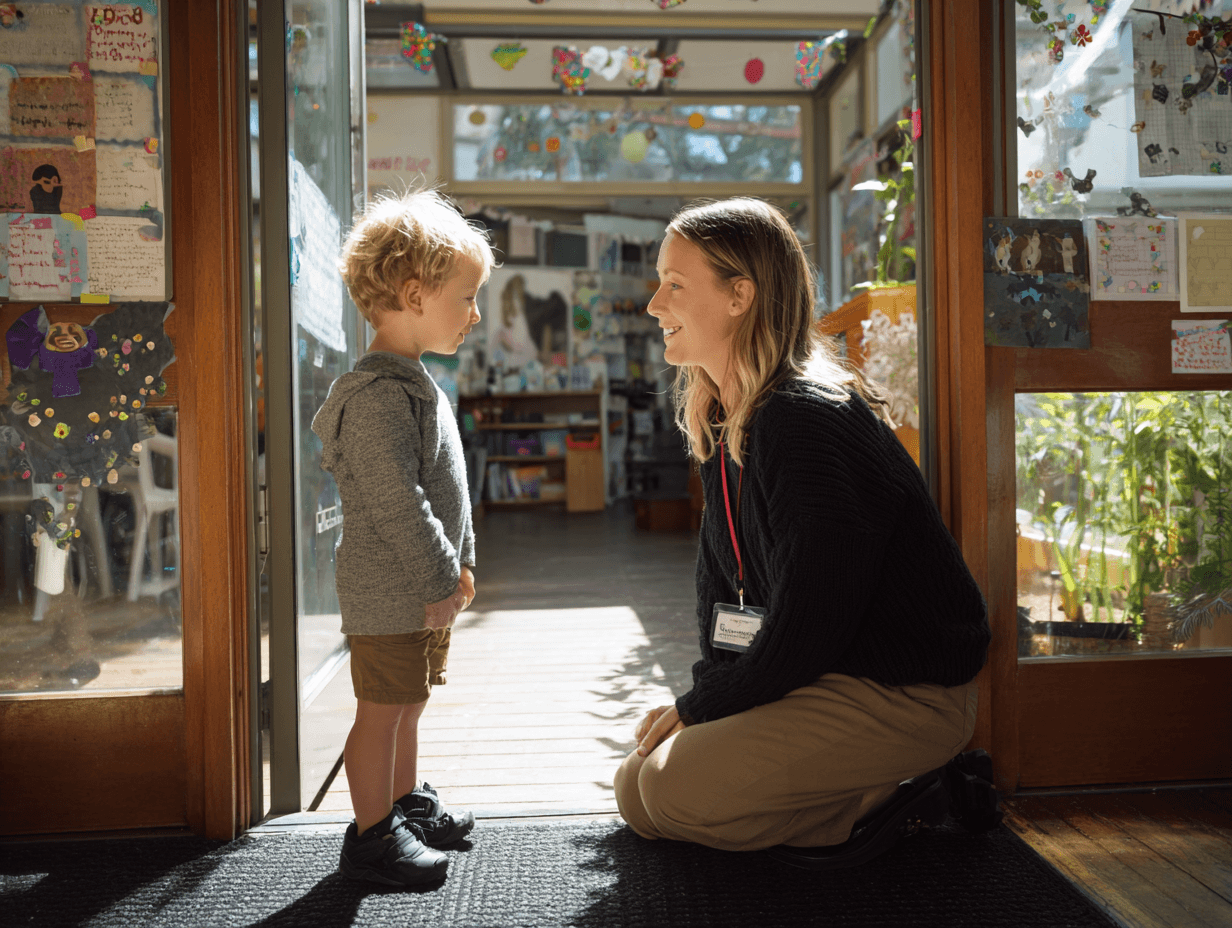
Standard school orientation (often a single lively group morning in November) is rarely enough for an autistic or neurodivergent learner. Research on school transitions consistently shows that familiarisation before Day 1, clear adult-to-adult handover, and scheduled check-ins across Term 1 turn an overwhelming leap into a manageable sequence.
Use this transition guide alongside Choosing a school for an autistic child in Australia, Questions to ask on a school tour for autistic and neurodivergent students and When school isn't working: adjusting support vs changing schools. Below are practical, stage-specific roadmaps for the two biggest school jumps in Australia: starting primary school and moving into Year 7.
Entry-year names and cut-off dates vary by state and territory, and reasonable adjustments are always tailored individually between each school and family. This guide offers general educational planning prompts rather than clinical or therapy advice.
Pathway 1: Starting primary school (Prep, Kindergarten, Reception, Pre-primary, Transition)
Whether your state calls the first compulsory or foundation year Prep (VIC, QLD, TAS), Kindergarten (NSW, ACT), Reception (SA), Pre-primary (WA) or Transition (NT), the shift from early learning into formal schooling introduces longer days, larger groups, school uniforms and noisy shared spaces.
If you are still checking birth-date cut-offs or weighing whether your 4- or 5-year-old is ready to start this coming January, review our Australian school year levels by state guide and try the ~5-minute School Readiness Assessment for an informational developmental pulse check, focus areas and preparation steps (not a diagnostic report or a substitute for professional advice).
Four steps that calm the start of primary school
- Connect early childhood educators and the school in Term 3–4: Ask how your preschool or kinder transition statement reaches the actual classroom teacher (not just the front office archive), and invite your occupational therapist or speech pathologist to contribute three or four high-impact classroom tips if relevant.
- Arrange a quiet camera walkthrough: Crowded orientation mornings make it hard to take in practical details. Ask for a 15-minute visit when the yard is quiet so you can photograph the classroom door, bag hooks, toilets, drink bubblers, calm corner and pick-up gate to look through casually over January.
- Practise sensory routines before January: Wash uniforms several times to soften seams, test lunchboxes and drink bottles your child can open independently, and establish a simple visual morning routine (our Weekly School Routine Checklist helps keep mornings predictable).
- Plan for February afternoon exhaustion: Many states already run rest Wednesdays or staggered hours in February, and families can also discuss temporary afternoon pacing or quiet rest breaks under reasonable adjustments if fatigue builds.
Build your personalised handover pack
Create a First-Weeks Transition & Review Plan
Use Tab 2 of the School Support & Transition Planner to fill out a one-page My Child at School snapshot and a state-specific Prep/Kindy or Year 7 transition checklist.
Private in-browser builder • Printable for school meetings • No account required
Pathway 2: Moving to secondary school (Year 7)
Year 7 is often the point where previously settled autistic students hit hidden friction, not because academic work is suddenly impossible, but because executive function and sensory load multiply overnight. Instead of one teacher who knows their cues, a Year 7 student may navigate eight teachers, five classrooms, combination padlocks, crowded corridors and changing social rules in a single day.
Comparing primary routines with Year 7 transition adjustments
| Everyday friction point | Why Year 7 feels different | Practical adjustment to request |
|---|---|---|
| Teacher communication | Up to eight subject teachers plus casual relief staff; students feel exhausted re-explaining needs. | One Learning Diversity or Year 7 coordinator distributes a concise one-page adjustment snapshot to all staff before Day 1. |
| Lockers, corridors & bells | Noisy, tightly timed five-minute locker crushes between periods trigger sensory overload before class starts. | End-of-row locker placement, a key padlock instead of a fiddly combination dial, and permission to leave two minutes early. |
| Timetables & room swaps | Multi-week rotating timetables and last-minute room changes disrupt predictability. | Colour-coded timetable matching folder colours, campus map rehearsal in late January, and early digital notice of room/staff changes. |
| Lunchtime belonging | Large open quadrangles and shifting primary friendship groups leave quieter students unanchored. | Guaranteed daily access to library, makerspace or structured lunchtime clubs from Week 1, rather than opening only mid-term. |
| Homework & assessment load | Multiple faculties set overlapping deadlines without seeing the total cognitive fatigue after masking all day. | Agreed homework cap or priority list in Term 1, chunked assignment milestones, and separate calmer room options for timed tests. |
Build a one-page "My Child at School" handover profile
Thick clinical reports are useful for formal funding profiles and the Nationally Consistent Collection of Data on School Students with Disability (NCCD), yet a classroom teacher greeting 26 students at 8:50 am needs one clear, respectful page they can read in two minutes and slip straight into the casual relief folder.
Keep the snapshot strengths-first and actionable
- Strengths & interests: What lights your child up, builds rapport and helps them engage.
- Instruction style: Visual lists, one step at a time, extra processing pause before answering.
- Early overload signals: Subtle signs stress is rising (going silent, hands over ears, pacing, asking repetitive questions) before distress peaks.
- What helps reset: Agreed discreet pass/signal, supervised calm spot, and unhelpful responses to avoid (such as rapid-fire questioning).
Invite your child (especially upper-primary and Year 7 students) to help choose what goes on the page so their voice shapes how adults support them. You can fill out and print that exact template privately inside the School Support & Transition Planner, and read Pastoral care and student support: a parent guide for clarity on how mentors, year advisers and learning-diversity staff share information responsibly.
Lock in the Day 1, Week 2 and Week 4–6 rhythm
Transition does not finish when the Day 1 bell rings. Before Term 1 starts, agree on three simple touchpoints with your named school contact:
Checklist for Families
If you are still shortlisting primary or secondary schools for an upcoming intake, compare up to three local campuses side by side in Compare Schools.
Official sources and their limits
- Autism CRC: School Years & Transition Guidance, opens in a new tab. National Australian evidence on supporting primary and secondary transitions, belonging and classroom participation.
- NCCD Portal: Case Studies & Classroom Adjustments, opens in a new tab. Practical Australian examples of classroom, sensory and transition adjustments across primary and secondary years.
- Raising Children Network: Transition to Primary & Secondary School for Autistic Children, opens in a new tab. Step-by-step preparation ideas for Australian families, visual stories and working with school transition teams.
Templates and timelines are most useful when adapted to your child's communication style and energy levels. For a full overview of sector options, national legal rights and state disability inclusion frameworks before you enrol, return to Choosing a school for an autistic child in Australia.
Frequently Asked Questions
Where to go next
Turn this research into a clearer shortlist
Three practical ways to move from reading to action.
- Open the planner
Build your School Support & Transition Plan
Generate tailored school tour questions, a side-by-side visit scorecard and a calm first-weeks handover plan.
- Check readiness
Check school readiness
Understand strengths, gaps and next steps before starting school.
- Open schools map
Browse schools near you
Compare nearby schools by location, sector, type and fees.