
The Ultimate Secondary School Open Day Checklist
Written by
BestSchools Team
Last updated
2 August 2026
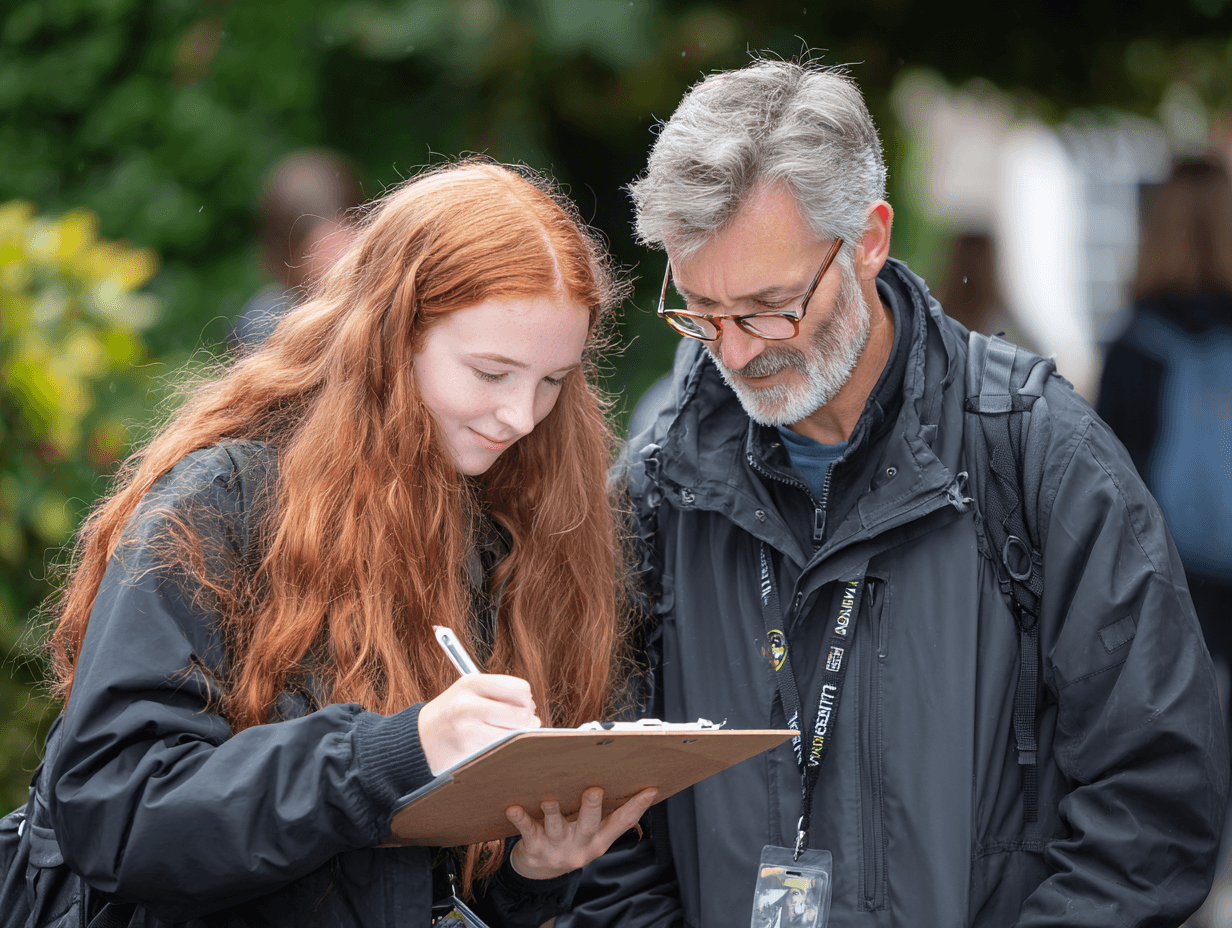
Open days and expos reveal the culture behind every brochure. Before locking in RSVPs, review Choosing the Right Secondary School for context on application timelines and decision criteria. Combine those insights with the culture comparisons in Single-Sex or Co-ed? Secondary Schooling Explained so each visit has a clear purpose.
Use this checklist to plan what to ask before, during, and after open events. Capture evidence systematically, then feed it into your decision matrix alongside the report from the School Choice Assessment.
Schedule Events Strategically
Tour capacity can be limited, so check booking details early. Protect your calendar by:
- Mapping event dates from Term 1 to early Term 3, including regional expos and virtual webinars.
- Prioritising schools that align with your shortlist criteria and travel capacity.
- Keeping a backup date in case illness or work commitments clash at the last minute.
Double-check whether a campus offers targeted sessions for boarding families, selective streams, or specialist arts/sport academies so you attend the programme that matters most.
Prepare Focused Research in Advance
Arrive with context so you can dive into specifics instead of gathering basics:
- Review the school’s prospectus, subject grid, and most recent annual report.
- Revisit funding and governance insights in Government vs Catholic vs Independent Schools to anticipate questions about resources.
- Note wellbeing prompts from Secondary School Choice Guide for Australian Families so you can probe support structures early.
Create a shared note with key points and allocate questions to each caregiver or teen attending the tour.
Capture Evidence During the Event
Use the following table to track observations in real time:
Open day observation log
| Focus area | What to watch | Notes |
|---|---|---|
| Classrooms | Student work displays, technology access, differentiation | |
| Wellbeing | Visible support staff, peer mentors, behaviour cues | |
| Leadership | Student voice in presentations, co-curricular captains | |
| Facilities | Condition of labs, arts spaces, boarding houses | |
| Culture | Interactions between students, staff, and visitors |
Encourage your child to jot feelings immediately after each presentation. Emotional resonance can validate or challenge the logical scores you add later.
Ask High-Impact Questions
Targeted questions uncover how policies work in practice:
Learning & assessment
- How are Year 7 students grouped for core subjects?
- What intervention exists for students who fall behind mid-year?
- How does the school support advanced learners beyond the standard timetable?
Wellbeing & safety
- Can families access counsellors directly or via referrals?
- How are behaviour incidents communicated to parents?
- What transition support runs between Year 6 and Term 1?
Logistics & community
- Which transport options exist beyond public networks?
- How engaged are parent associations, and what is expected of families?
- Which co-curricular activities require weekend commitments?
Record answers word-for-word where possible. Quotes help you compare tone and specificity between campuses.
Debrief Within 24 Hours
Hold a short family retro the day after each visit:
- Score the school against your matrix while perceptions are fresh.
- Update commute maps using travel apps for peak-hour estimates.
- List follow-up actions such as booking a principal interview or requesting scholarship details.
Wrap up by rating overall fit on a scale from one to ten and noting any emotional reactions your child shares. This qualitative data is invaluable when multiple offers arrive simultaneously.
Use Expos to Broaden Horizons
Large expos and fairs compress dozens of schools into a single afternoon. Make them work by:
- Reviewing the exhibitor list in advance and tagging must-visit booths.
- Preparing quick elevator pitches about your child’s interests so you receive targeted advice.
- Collecting prospectuses digitally whenever possible to reduce paper clutter.
After the event, prioritise detailed tours with the top three new discoveries. Compare them against insights from Boarding vs Day School Decisions if you encountered regional boarding options worth exploring.
Exploring scholarships?
Check Scholarship Readiness
Answer questions about your child's strengths and preparation, then receive a personalised scholarship-readiness report by email.
Free five-minute assessment • Personalised report by email
Where to go next
Turn this research into a clearer shortlist
Three practical ways to move from reading to action.
- Browse open days
Find upcoming open days
See live school events and tours so you can move from research to real visits.
- Get the checklist
Download the school tour checklist
Bring a practical checklist to open days and school visits so you ask better questions.
- Compare schools
Compare shortlisted schools
Put up to three schools side by side so trade-offs are easier to spot.