
Boarding or Day School? A Practical Guide for Families
Written by
BestSchools Team
Last updated
21 July 2026
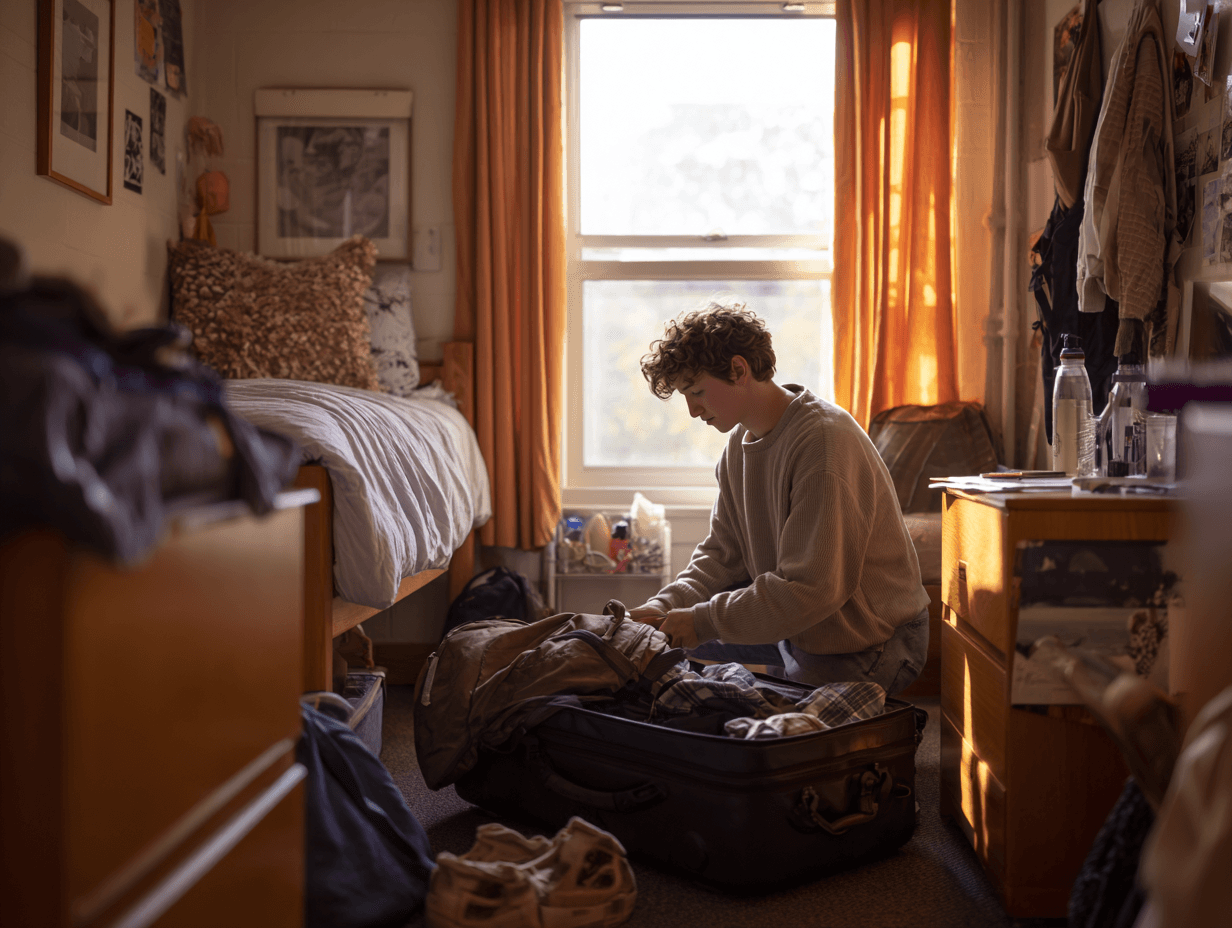
Boarding is not inherently better, safer, more supportive or more likely to build independence than day schooling. The right decision depends on your child's informed view, the actual school and residence, evidence of safety and support, family logistics, full cost and the alternatives available.
Start with Choosing the Right Secondary School and the Secondary School Open Day Checklist. Treat a boarding tour as an inspection of both the school and the place where your child may sleep, study and seek help.
Define the Problem Before Choosing the Model
Write down the problem boarding should solve, such as subject access, distance, family mobility or a particular activity. Then list alternatives: a suitable day school, relocation, distance education, external subjects, weekly boarding, staying with relatives or starting later.
Do not assume a structured timetable means better study, nearby adults mean effective support or living away automatically builds independence. Test each option against an ordinary difficult week, not only orientation.
| Decision Area | Boarding School Evidence | Day School Evidence |
|---|---|---|
| Adult coverage | Who is present overnight, on weekends and during staff changeovers; roles and escalation paths | Who supports the student during school hours and how family takes over afterwards |
| Home contact | Contact expectations, device rules, privacy, visits and what happens when a child asks to call home | Daily family contact and how school concerns are communicated |
| Study | Supervised-study schedule, staff capability, quiet spaces and access to subject teachers | Home study environment, travel time, school support and family routines |
| Activities | Evening and weekend access, transport, supervision and participation limits | After-school transport, collection times and family capacity |
| Health and support | Medication, appointments, illness, emergencies, counselling and handover between school and residence | School response during the day plus family and community care outside school |
| Travel | Term travel, transfers, disruption plans, fatigue and emergency collection | Daily commute, missed connections, late activities and weather disruption |
| Cost | Boarding, tuition, levies, travel, residential equipment, visits and contingencies | Tuition, commute, care, activities and family time |
| Family life | Separation, siblings, cultural connection, shared events and planned contact | Daily presence, household routines and any pressure created by travel |
The columns are prompts, not advantages. Compare the actual options: either may provide stronger support, access or stability.
Inspect Child-Safe Residential Practice
The Australian Human Rights Commission's Child Safe Organisations resources, opens in a new tab explain the government-endorsed National Principles, including participation, family involvement, equity, suitable people, child-focused complaints, training and safe environments.
Ask the residence to show how those principles work after the school day ends:
- Overnight coverage: Who is awake, on site and on call? How does coverage change by house, age group, weekend or holiday period?
- People and capability: What are residential roles, screening, induction, ongoing training and turnover? Who supervises casual or relief staff?
- Reporting and escalation: How can a child report a concern privately? Who receives it, what happens immediately and how is follow-up checked?
- Privacy and boundaries: What rules cover bedrooms, bathrooms, changing, searches, transport, one-to-one contact and staff messaging?
- Emergencies: Who makes decisions, contacts family, arranges care and documents handovers during illness, injury, fire or another critical incident?
- Leave and weekends: Who approves leave, confirms handover, tracks return and supports students remaining on site?
- Online contact: How are device rules, cyberbullying, staff contact and a child's access to trusted people balanced?
- Student feedback: How do boarders influence routines, food, activities and safety practice without carrying responsibility for fixing the system?
Standards Australia says AS 5725:2015, opens in a new tab can guide boarding facilities. Standards are voluntary on their own but may become mandatory through legislation or a contract. The official Education and Training catalogue, opens in a new tab currently marks AS 5725:2015 as Pending Revision. Verify the applicable requirements and edition with the relevant regulator and provider. A standard does not prove safety or replace local rules; this is not legal advice.
What this cannot tell you: policies cannot prove daily practice. Compare documents, staff explanations, student-friendly reporting and current boarders' accounts without seeking private case details.
Centre the Child's View and Make the Decision Reversible
The child needs a meaningful voice without carrying sole responsibility. Ask what they hope for, what worries them, how they seek help and what home contact would feel supportive.
Previous separation can inform questions, but is not a readiness test. A camp differs from living away during illness, assessment pressure or conflict.
Build a written transition plan covering:
- contact with home and how it can increase during a difficult period;
- who welcomes the child and who they can approach outside office hours;
- how homesickness, friendship conflict or withdrawal will be noticed and handled;
- planned reviews with the child, family, school and residence;
- what extra support or a temporary pause could look like; and
- a no-blame reconsideration or exit process if needs change.
The Australian Government report on retaining students in regional, rural and remote areas through Year 12, opens in a new tab notes that initial adjustment to boarding can affect wellbeing. It also identifies potential challenges for First Nations students involving language, culture, racism and connection to Country. These are considerations, not experiences every child will share.
Ask how the residence supports language and cultural identity, connection with family, community and Country, cultural obligations, culturally safe staff and responses to racism. Let the student and family define what connection means for them.
Map Health, Medication, Disability and Wellbeing Responsibilities
Map responsibility across the full week. Ask about medication, appointments, consent, allergies, dietary needs, illness, emergency transport, counselling, information sharing and return after hospital care.
The Disability Standards for Education 2005, opens in a new tab address access, participation, consultation and reasonable adjustments in education, but do not answer every residential-service question. Ask how agreed adjustments work across class, residence, transport, activities and emergencies; seek current advice if responsibilities are unclear.
Use the Australian Student Wellbeing Framework, opens in a new tab to organise questions about leadership, inclusion, student voice, partnerships and support. It is a question framework, not a residence rating or guarantee.
Keep factual comparisons together
Compare school profiles side by side
Compare school profiles and key facts, then verify residential staffing, policies, costs and fit directly with each provider.
Compare up to 3 schools • Verify residential details with each school
Test Academic and Co-curricular Reality
“Supervised study” may mean a quiet room with a residential adult, not subject tutoring. Ask who supervises, when academic help is available and how study fits with activities and rest.
Confirm which subjects run, timetable restrictions, external or online options, VET transport, late rehearsals, weekend competitions and collection rules. A programme is only accessible if the student can reach it safely and return within residence requirements.
Use Beyond School Rankings to examine teaching, feedback, support and culture rather than treating boarding amenities as evidence of educational quality.
Model the Full Cost and Disruption Risk
Request current written fees and refund, notice and cancellation terms. Do not rely on a verbal total or assume funding is available.
| Cost Area | What To Include | Question To Resolve |
|---|---|---|
| Tuition | Base tuition and compulsory academic levies | Which charges are separate from boarding? |
| Boarding | Accommodation, meals, laundry and residential levies | What is included during weekends and short breaks? |
| Travel | Routine fares, transfers, baggage and local transport | Who pays when weather or cancellations change the plan? |
| Disruption | Extra accommodation, replacement transport and missed connections | What support exists when a child cannot reach home or school? |
| Uniform and devices | Duplicate clothing, linen, luggage, technology and repairs | What must remain at the residence? |
| Health and medication | Appointments, prescriptions, transport and supplies | How are urgent and recurring costs authorised? |
| Activities | Sport, music, camps, equipment, excursions and external tuition | Which activities are compulsory or difficult to decline? |
| Leave weekends | Transport, supervision or accommodation when the residence closes | How many closures occur and what alternatives exist? |
| Family visits | Travel, accommodation, meals and time away from work | What visit pattern is sustainable? |
| Insurance and cancellation | Relevant cover, deposits, notice periods and refunds | What happens after withdrawal, illness or a family change? |
| Contingency | A family-defined allowance for unexpected events | What cost would make the arrangement unsustainable? |
Compare the full forecast with a high-support day option, including daily travel, after-school care and family time. The Public vs Private Schools guide can help separate sector and fee questions from the boarding decision.
Worked Example: No Automatic Winner
The schools below are fictional.
| Evidence | Rangeview Boarding College | Creekside Day Secondary | Decision Effect |
|---|---|---|---|
| Core need | Offers the student's required senior subject on campus | Requires an external online subject with school supervision | Rangeview gives firmer subject access |
| Safety and support | Clear overnight roles and reporting; weekend turnover data is unanswered | Clear school-day process and established family/community care | Rangeview needs one residential follow-up; Creekside relies more on home support |
| Child and culture | Student wants to try boarding; cultural-connection plan is not yet documented | Student lives nearer family, community and Country; actual contact arrangements are not yet tested | Proximity may make regular contact easier, but both schools must show how they support culturally safe connection |
| Logistics and cost | Long term-break travel and higher disruption exposure | Daily 80-minute return trip and limited late transport | Both create a different weekly burden |
Rangeview may suit if subject access is essential and its gaps are resolved. Creekside may suit if its actual arrangements support meaningful, culturally safe connection—not simply because it is closer. The student and family must judge that evidence; neither model wins automatically.
Run a Repeatable 30-Minute Review
- Define the need and alternatives — 5 minutes. Write the problem, the child's must-haves and at least one realistic non-boarding option.
- Inspect safety and support — 5 minutes. Review overnight coverage, complaints, emergencies, health, adjustments and oversight.
- Map learning and activities — 5 minutes. Confirm subjects, study support, transport, weekend access and restrictions.
- Plan transition and connection — 5 minutes. Record home contact, review points, culture, Country, siblings and a no-blame exit.
- Calculate full cost — 5 minutes. Complete every cost row and test disruption scenarios.
- Name evidence gaps — 5 minutes. Assign each question to a person, document or follow-up visit before deciding.
Take these questions to the school and residence:
- Who is awake, on site and on call overnight, and how does coverage change on weekends?
- How are residential staff screened, inducted, trained, supervised and replaced?
- How can a child report a concern privately, and how is follow-up checked?
- What rules protect privacy and boundaries in bedrooms, bathrooms, transport and digital contact?
- Who manages medication, illness, appointments and emergency family communication?
- How do agreed learning, disability and health adjustments work in the residence?
- How are homesickness, withdrawal, conflict or a request to leave identified and handled?
- How do students influence residential routines and safety without fear of consequences?
- How are family, language, culture, community and connection to Country supported?
- What study support is supervision, and what is qualified academic help?
- Which subjects and activities are limited by transport, staffing, leave or weekend rules?
- What are the complete fees, closure dates, travel responsibilities and cancellation terms?
- Which external rules and oversight apply to this residence, and where are they documented?
If travel or relocation is central, also read Moving Schools Between States before comparing notice periods and transition timing.
Official Sources and Scope
- Australian Human Rights Commission — Child Safe Organisations, opens in a new tab: the National Principles for participation, family involvement, equity, suitable people, complaints, training and safe environments.
- Standards Australia — case study, opens in a new tab and official catalogue, opens in a new tab: AS 5725:2015 can guide boarding facilities and is marked
Pending Revision. Standards may become mandatory through legislation or a contract; verify requirements and edition with the relevant regulator and provider. - Australian Student Wellbeing Framework, opens in a new tab: offers leadership, inclusion, student voice, partnerships and support as question areas.
- Disability Standards for Education 2005, opens in a new tab: provides education access, participation, consultation and adjustment principles, without resolving every residential-service question.
- Regional, rural and remote student-retention report, opens in a new tab: identifies boarding adjustment and potential cultural, language, racism and connection-to-Country considerations.
These sources do not certify an individual residence or select a school. Use the School Choice Assessment to organise school type, budget, values, learning and family priorities—not to obtain a named-school recommendation or safety verdict—then verify current written policies and practice directly.
Frequently Asked Questions
Where to go next
Turn this research into a clearer shortlist
Three practical ways to move from reading to action.
- Check readiness
Check school readiness
Understand strengths, gaps and next steps before starting school.
- View routine checklist
Build calmer routines
Use a practical checklist for smoother mornings and transitions.
- Open schools map
Browse schools near you
Compare nearby schools by location, sector, type and fees.