Choosing the Right Primary School in 2025
Written by
BestSchools Team
Last updated
12 March 2026
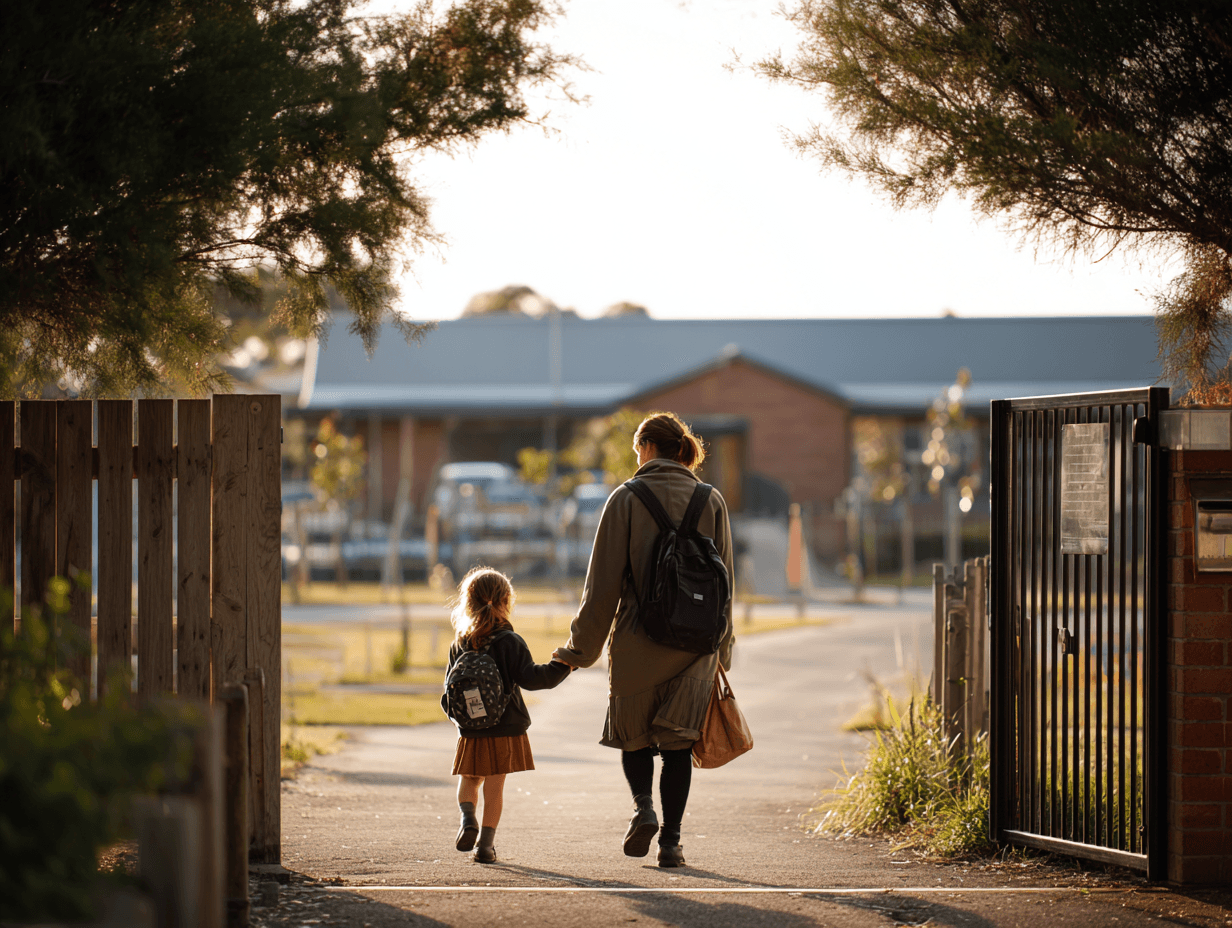
Preparing your child for primary school is equal parts logistics, heart, and strategy. Australia offers a wealth of options—local government schools, Catholic systemic campuses, and independent primaries with unique philosophies. This guide brings everything together so you can take confident next steps. If you need to decode state-specific entry terms first, use Australian School Year Levels by State before you compare campuses.
Guides in this series
- Local primary or private option?
- Primary school tour checklist
- Questions to ask the principal
- Prep & Kindy orientation readiness
Need a shortlist fast?
Use the School Choice Assessment
Answer a few questions about budget, location, and priorities to see which primary school pathways match your family.
Free in under 5 minutes • Personalised shortlist • No spam
Align on Your Family's Goals First
Before comparing uniforms or price lists, define what a great primary experience looks like in your household. Capture practical and aspirational goals:
- Learning approach: Do you want inquiry-based classrooms, explicit instruction, or flexible grouping for acceleration?
- Faith or values alignment: Will a Catholic or independent faith-based community support your family's identity?
- Support needs: Does your child require speech therapy, enrichment, or structured routines for neurodiversity?
- Logistics: Which locations keep commutes under 30 minutes and align with work schedules or siblings' schools?
Document these in a shared note. When you review school prospectuses, you can check each offering against your non-negotiables rather than reacting to glossy highlights.
Use the deep dive on sectors in Government vs Catholic vs Independent Schools and the household budgeting insights in How Australian Schools Are Funded to understand what different settings can deliver.
Map the Primary School Landscape in Your Area
The Australian primary system is shaped by zoning laws, parish boundaries, and private waitlists. Build a long list by combining:
- Catchment lookups: Use your state's school finder to confirm guaranteed places at your local government primary. Cross-reference with the zoning breakdown in School Zones and Catchments Explained.
- Catholic diocesan directories: Identify both parish-based and regional Catholic schools that enrol beyond parish lines.
- Independent association lists: Search the Association of Independent Schools for campuses that align with Montessori, Steiner, IB Primary Years Programme, or other philosophies.
- Community tips: Parent Facebook groups and local forums often surface smaller schools, multi-campus Catholic networks, or bilingual programmes you may not spot in formal directories.
Once you have 6–8 possible schools, capture these basic facts:
Snapshot checklist for comparing primary schools
| School | Sector & focus | Intake years | Commute | Indicative fees |
|---|---|---|---|---|
| Local Primary | Government | STEM focus | Prep – Year 6 | 12 min drive | Voluntary $350 + levies |
| St Mary's | Catholic systemic | faith & service | Prep – Year 6 | 18 min bus | $2,100 + levies |
| Harbourview | Independent | IB PYP | Prep – Year 6 | 25 min train | $8,900 tuition |
| Northside Montessori | Independent | Montessori | Cycle 1–3 | 28 min drive | $7,500 tuition |
This initial matrix helps you decide which campuses warrant a deeper courtship through open mornings or private tours.
Understand Intake Timelines and Enrolment Steps
Every sector releases places on different schedules. Avoid last-minute stress by plotting an intake timeline 18 months before your desired start year.
Government primary schools
- Guaranteed place when you live in-zone; apply 6–12 months prior
- Out-of-area requests depend on capacity, siblings, or specialist programmes
- Check for selective or bilingual strands with earlier application windows
Catholic schools
- Parish priority draws families, but most dioceses welcome all faiths
- Expression of interest commonly opens in Term 1 for the following year
- Orientation fees or enrolment deposits often due within 14 days of offer
Independent primaries
- Waitlists can start at birth; secure a place by lodging early
- Interviews, readiness assessments, or playdates confirm fit
- Scholarship and bursary rounds typically run 9–12 months before intake
Add key dates to your family calendar:
Checklist for Families
Budget for the Full Cost of Primary School
Even with low or no tuition, primary schooling includes recurring expenses. Build a 12-month cashflow plan covering:
- Contributions and levies: Government schools invoice voluntary contributions, technology levies, or curriculum charges. Catholic schools bill tuition, building levies, and sacramental fees. Independent schools include tuition, capital levies, music tuition, and camp fees.
- Uniforms and equipment: Capture start-up costs (approximately $400–$1,000) plus annual replacements. Factor in sports uniforms, house shirts, and seasonal items.
- Before/after school care: Centres can cost $25–$40 per session after Child Care Subsidy. Demand can be high—join waitlists as soon as offers arrive.
- Excursions and incursions: Budget $250–$500 annually for camps, incursions, and extracurricular clubs.
Use the savings worksheet inside Public vs Private Schools in Australia to benchmark long-term cost differences. If fees stretch your budget, explore sibling discounts, parish concessions, or bursaries. Parents pursuing private options can also apply for relevant bursaries through the school or independent associations.
Shortlist with Evidence, Not Hype
As you visit campuses, take structured notes tied to your original goals. During open days or tours, record observations about pedagogy, wellbeing, and communication channels. The dedicated guide Primary School Tour Checklist provides a printable worksheet.
Look for tangible indicators:
- Student work samples that show differentiation and growth.
- Play-based spaces that evolve across the year levels.
- Evidence of multi-tiered wellbeing support—counsellors, learning support, behavioural frameworks.
- Visible inclusion of Aboriginal and Torres Strait Islander perspectives and community languages.
- Transparent communication channels (parent portals, fortnightly newsletters, PLP meetings).
Cross-check official data using School Levels and Ages Explained and State Curriculum & Senior Certificates to ensure continuity from primary through secondary transitions.
Plan the perfect tour
Download the Primary School Tour Checklist
Print the question set and observation prompts so you capture every detail during open mornings and private tours.
Free in under 5 minutes • Personalised shortlist • No spam
Balance Local Community with Broader Opportunities
Many families wrestle with staying local versus crossing suburbs for a particular programme. Consider framing the decision across five dimensions:
- Community roots: A local school can strengthen friendships with neighbours and simplify after-school logistics. Cross-check with the community section of Local Primary or Private? once published.
- Curriculum breadth: Independent schools may offer languages, music streams, or gifted programmes unavailable locally.
- Transport resilience: Factor in traffic, public transport reliability, and back-up plans if carers change.
- Cost trajectory: Tuition, levies, and extracurricular expectations differ dramatically between sectors.
- Future transitions: Some Catholic and independent primaries feed directly into secondary campuses—valuable if you want continuity through Year 12.
A decision matrix can make trade-offs clearer:
Decision matrix for primary school selection
| Criteria | Weight | Local School Score | Alternative School Score |
|---|---|---|---|
| Academic differentiation | 25% | 6 | 8 |
| Commute & logistics | 20% | 9 | 5 |
| Wellbeing support | 20% | 7 | 8 |
| Extracurricular breadth | 15% | 6 | 9 |
| Cost fit | 20% | 9 | 6 |
Multiply weights by scores to see which option best serves your priorities. Household members can complete their own matrix, compare results, and agree on next steps.
Prepare for Orientation and the First Term
Once you accept a place, plan for a smooth start:
- Familiarise your child with the campus through playdates or library visits.
- Practise the morning routine several weeks ahead—breakfast, uniform, school bag, travel time.
- Confirm medical management plans (e.g. asthma, allergies) with the school nurse or office staff.
- Book school readiness checks with your GP or community health nurse.
- Encourage independence with lunchboxes, bathroom routines, and packing their own bag.
Revisit the dedicated guide Prep & Kindy Orientation Readiness for detailed checklists, social stories, and transition tips. Pair it with the School Readiness Assessment if you want professional guidance on developmental milestones.
Keep the Decision Under Review
Primary schooling spans seven years; your family's circumstances will evolve. Create guardrails to know when it's time to re-evaluate:
- Review student reports each semester for evidence of growth, wellbeing, and engagement.
- Track class sizes, specialist teacher availability, and curriculum changes announced in newsletters.
- Stay involved in parent forums to gauge emerging issues or opportunities.
- Schedule an annual family retro: what is working, what needs adjusting, and what support you need from the school.
If red flags emerge, the related guides on tour preparation, principal questions, and orientation will help you pivot to a new school with minimal disruption. You can also review the transition advice in Moving Schools Between States if a relocation is on the horizon.
Where to go next
Turn this research into a clearer shortlist
Three practical ways to move from reading to action.
- Check readiness
Check school readiness
Understand strengths, gaps and next steps before starting school.
- View routine checklist
Build calmer routines
Use a practical checklist for smoother mornings and transitions.
- Open schools map
Browse schools near you
Compare nearby schools by location, sector, type and fees.