
Prep & Kindy Orientation Guide: Readiness Tips for Australian Parents
Written by
BestSchools Team
Last updated
12 March 2026
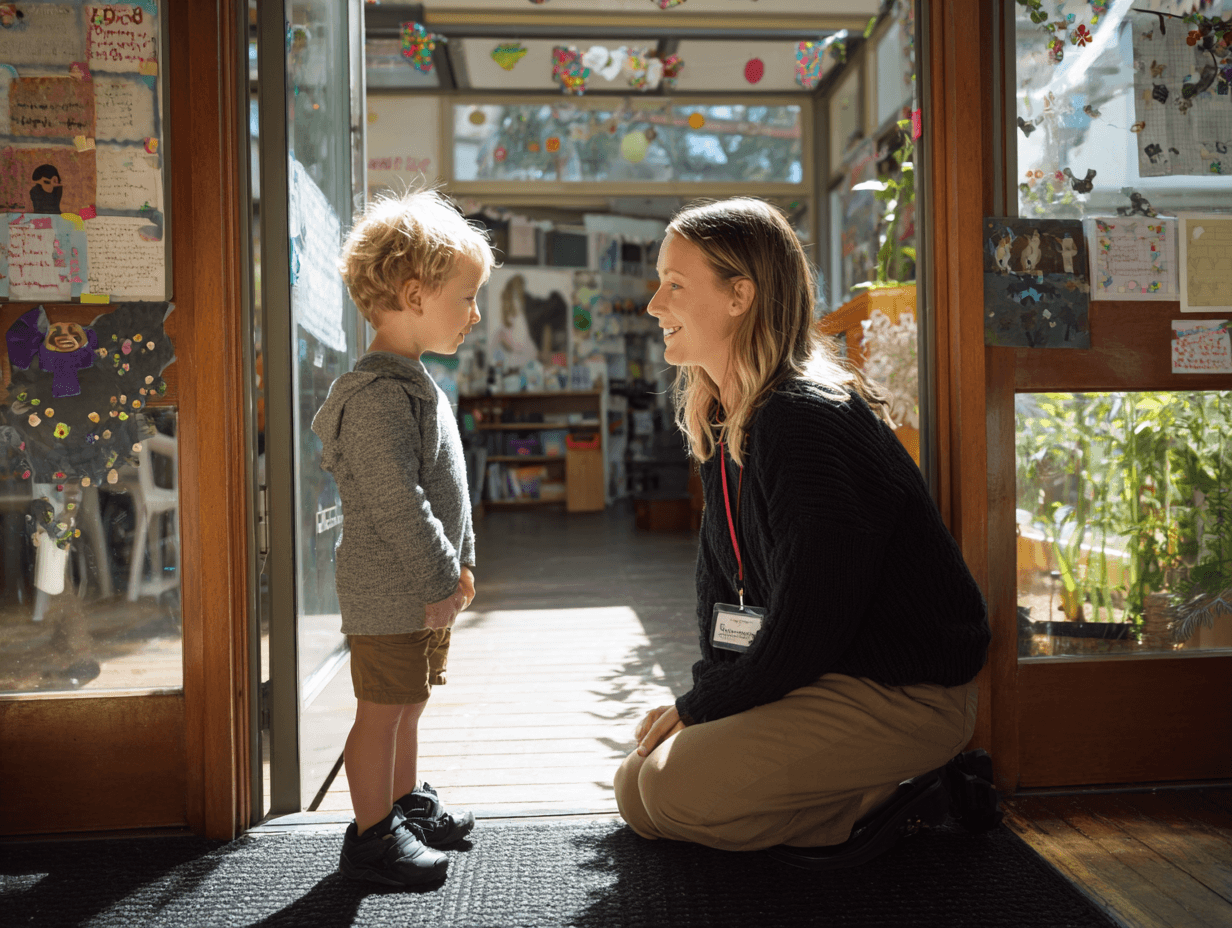
Orientation season turns offers into real classrooms. Use this guide to prepare your child holistically—emotionally, logistically, and academically. If you are still choosing between schools, start with Choosing the Right Primary School. If you need to check whether your state calls that first year Prep, Kindergarten, Reception, Pre-primary, or Transition, use Australian School Year Levels by State before returning here.
Understand Orientation Formats Across Sectors
Each school designs orientation differently—stay flexible and ask for details early.
Government schools
- Typically offer 2–3 transition sessions in Term 4
- Some run Prep playgroups or literacy jumps-start programmes
- Orientation often coincides with parent information evenings
Catholic schools
- Include parish welcome masses and buddy introductions
- May run family interviews to finalise pastoral information
- Provide detailed sacramental and community expectations
Independent primaries
- Offer extended transition programmes (up to six mornings)
- Often include specialist taster sessions (music, STEM, sport)
- Provide parent seminars on school philosophy and routines
Ask for schedules as soon as you accept the place. Sync dates with your work calendar and organise childcare for younger siblings so you can focus on each session.
Check Readiness Across Five Domains
Readiness is broader than knowing letters. Review progress in these domains and communicate with the school if support is needed.
Prep readiness checkpoints
| Domain | Indicators your child is on track | When to seek support |
|---|---|---|
| Social & emotional | Separates from caregivers, names emotions, takes turns | Severe anxiety, difficulty regulating after 15 minutes |
| Physical | Packs bag, manages zippers, uses scissors | Fine motor challenges, fatigue with gross motor play |
| Language | Understands two-step instructions, tells simple stories | Limited vocabulary or articulation concerns |
| Cognitive | Recognises numbers to 10, sorts objects, enjoys picture books | Struggles with attention or basic number sense |
| Self-care | Uses toilet independently, opens lunch containers | Persistent toileting accidents or unwillingness to try |
Book a health check with your GP or community nurse to discuss any red flags. Leverage the developmental milestones in School Readiness Comprehensive Guide for deeper context.
Unsure about readiness?
Take the School Readiness Assessment
Receive tailored recommendations on social, emotional, and learning readiness before orientation begins.
Free in under 5 minutes • Personalised shortlist • No spam
Build Routines That Mirror School Life
Consistency reduces first-week fatigue. In the four weeks before school starts, ease into routines:
Checklist for Families
Feed routine details into the School Routine Checklist to balance work, care, and extracurriculars.
Prepare Your Child Emotionally
- Create social stories featuring photos of the school, classroom, and key staff. Review them each evening.
- Meet classmates at park playdates or orientation events so faces feel familiar on day one.
- Label feelings during role-play. Practise phrases like “I feel worried—can I sit near my buddy?”
- Develop independence by encouraging your child to ask teachers for help rather than relying on parents.
Share any anxiety triggers with the wellbeing or learning support team so they can plan proactive strategies.
Organise Paperwork and Supplies
Stay ahead of administrative tasks:
Checklist for Families
Capture receipts and key dates in a shared spreadsheet or budgeting app. The primary school decision guide's cost planning section offers a template to manage hidden expenses.
Partner with Educators Early
Proactive relationships make the first term smoother.
- Email teachers to share pronouns, preferred names, and any cultural considerations.
- Request a short meeting if your child has medical or learning plans.
- Volunteer for a rostered classroom visit or canteen shift to learn the rhythms of the day.
- Join parent groups or WhatsApp chats to stay informed without relying solely on newsletters.
After each orientation session, debrief with your child: what felt exciting, tricky, or confusing? Use insights to tailor bedtime stories, play scenarios, or follow-up questions for the school.
Where to go next
Turn this research into a clearer shortlist
Three practical ways to move from reading to action.
- Check readiness
Check school readiness
Understand strengths, gaps and next steps before starting school.
- View routine checklist
Build calmer routines
Use a practical checklist for smoother mornings and transitions.
- Open schools map
Browse schools near you
Compare nearby schools by location, sector, type and fees.